How Litecoin & Dogecoin Mining Works
A complete step-by-step guide from miner to blockchain rewards
Learn exactly what happens when you merge-mine Litecoin and Dogecoin together, from Scrypt hash calculations to receiving block rewards
What is Litecoin & Dogecoin Mining?
Litecoin mining is the process by which new Litecoin transactions are verified and added to the blockchain. Miners use powerful Scrypt machines to solve complex mathematical problems that validate and secure transactions on the Litecoin network. Thanks to merged mining (AuxPoW), the very same Scrypt work simultaneously secures the Dogecoin network at no extra hashing cost.
This process is called Proof of Work. Miners compete to find a solution to a cryptographic puzzle. The first miner to solve it gets the right to add the next block of transactions to the blockchain and receives a reward in Litecoin — and, through merged mining, Dogecoin as well.
Key Points:
- Miners validate and secure Litecoin (and merge-mined Dogecoin) transactions
- Proof of Work ensures network security and decentralization
- Mining requires significant computational power (hashrate)
- Successful miners receive Litecoin and Dogecoin rewards for their work
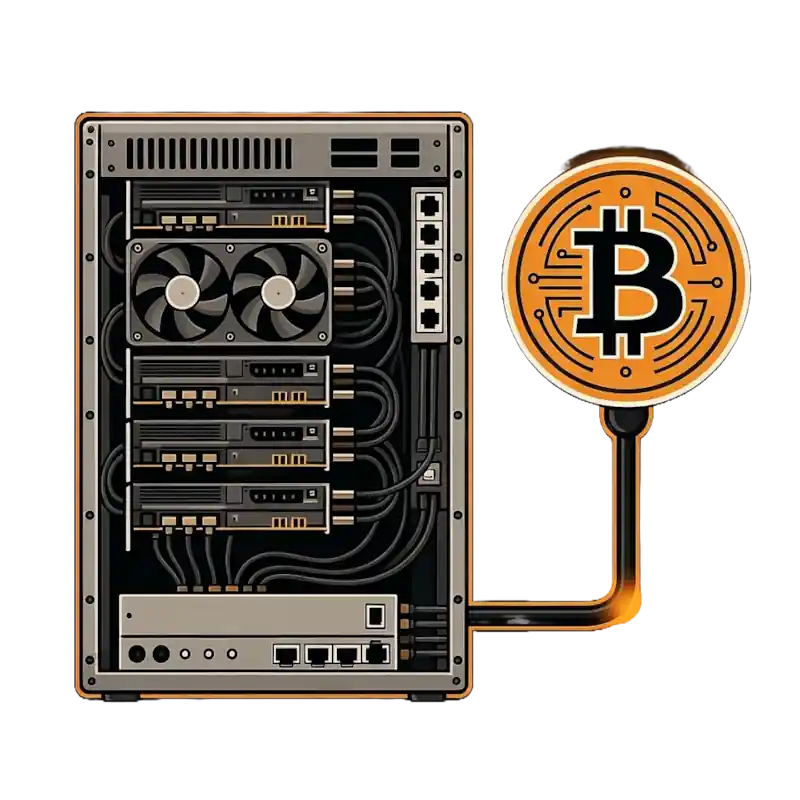
The Mining Process: Scrypt Hash Calculation
Mining begins when a miner receives a block template containing pending transactions. The miner's job is to find a valid nonce(a random number) that, when combined with the block data, produces a hash value below a specific target.
The miner repeatedly calculates the Scrypt hash of the block header, trying different nonce values. This is essentially a guessing game where the miner tries billions of combinations per second. The difficulty determines how hard it is to find a valid hash - the higher the difficulty, the more hashes a miner must try.
Block Header Components:
- Version: Block version number
- Previous Hash: Hash of the previous block
- Merkle Root: Hash of all transactions in the block
- Timestamp: Current time
- Difficulty Target: The target hash value
- Nonce: The number miners change to find a valid hash
Miner to Pool: Stratum Connection
All Miners need to connect to a mining pool shared pool or solo pool. The Stratum protocol is the communication standard that allows miners to connect to pools and receive work assignments.
When a miner connects to a pool, the pool sends a mining jobcontaining the block template and difficulty target. The miner then works on finding a valid hash. When the miner finds a hash that meets the pool's difficulty (called a share), they submit it back to the pool. The pool validates the share and credits the miner.
In solo pools like MySoloPool LTC+DOGE, miners still work together but when a block is found, the miner who submitted the winning share receives the full block reward, not split among all participants. Because the pool merge-mines, a single winning Scrypt share can yield both a Litecoin block and a Dogecoin block at once.
Stratum Protocol Benefits:
- Efficient job distribution to miners
- Real-time share submission and validation
- Automatic difficulty adjustment
- Reduced orphaned blocks
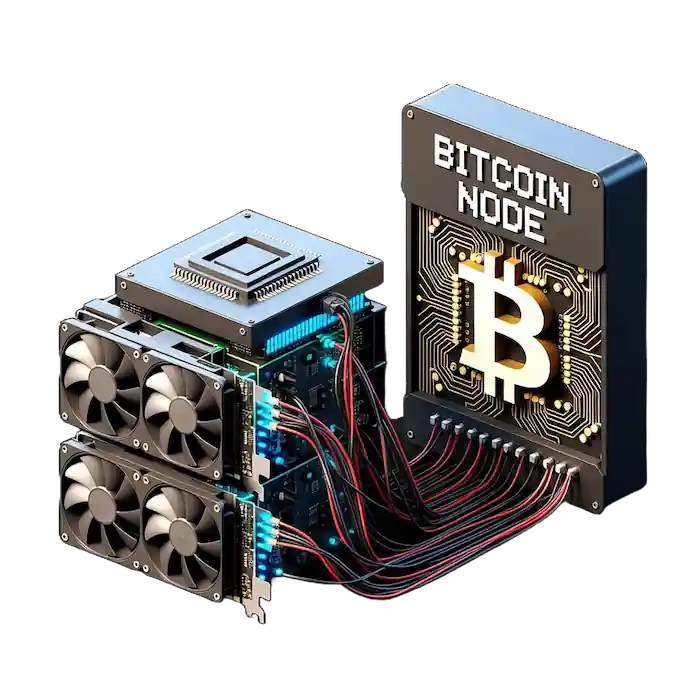
Pool Processing: Share Validation & Block Templates
The mining pool acts as a coordinator, managing the mining process for all connected miners. The pool creates block templates by selecting pending transactions from the mempool and constructing a valid block structure.
When miners submit shares, the pool validates each one by checking if the hash meets the required difficulty. Valid shares are recorded, and the pool tracks each miner's contribution. The pool also maintains a connection to the Litecoin and Dogecoin networks, ensuring it has the latest block information.
The pool continuously updates the block template as new transactions arrive and adjusts the difficulty based on the total hashrate of connected miners. This ensures miners receive work that matches their computational power.
Pool Responsibilities:
- Create and distribute block templates
- Validate submitted shares
- Track miner contributions and statistics
- Maintain network connectivity
- Submit valid blocks to the blockchain
Block Discovery & Reward Distribution
When a miner finds a hash that meets the Litecoin network's difficulty target (not just the pool's share difficulty), they have discovered a valid block. The pool immediately submits this block to the Litecoin network — and, because the work is merge-mined, the same solution can simultaneously be submitted to the Dogecoin network.
Once the block is validated and accepted by the network, it becomes part of the blockchain. The Litecoin block reward (currently ~6.25 LTC plus transaction fees) is automatically sent to the Litecoin address specified by the miner who found the block, while the merge-mined Dogecoin reward (~10,000 DOGE) is auto-paid to the matching Dogecoin address.
In solo mining pools like MySoloPool LTC+DOGE, the miner who found the block receives the block reward, and the reward is not split among other pool participants. This makes solo mining pools ideal for miners who want the full reward when they find a block.
Reward Breakdown:
- Block Reward: ~6.25 LTC (halves every 840,000 blocks, roughly every 4 years)
- Merged Mining: ~10,000 DOGE auto-paid alongside each LTC block at no extra hashing cost
- Transaction Fees: All fees from transactions in the block
- Total Reward: Block reward + transaction fees + merge-mined DOGE
- Solo Mining: 100% to the block finder